At what age should my toddler start gymnastics in the West Valley?
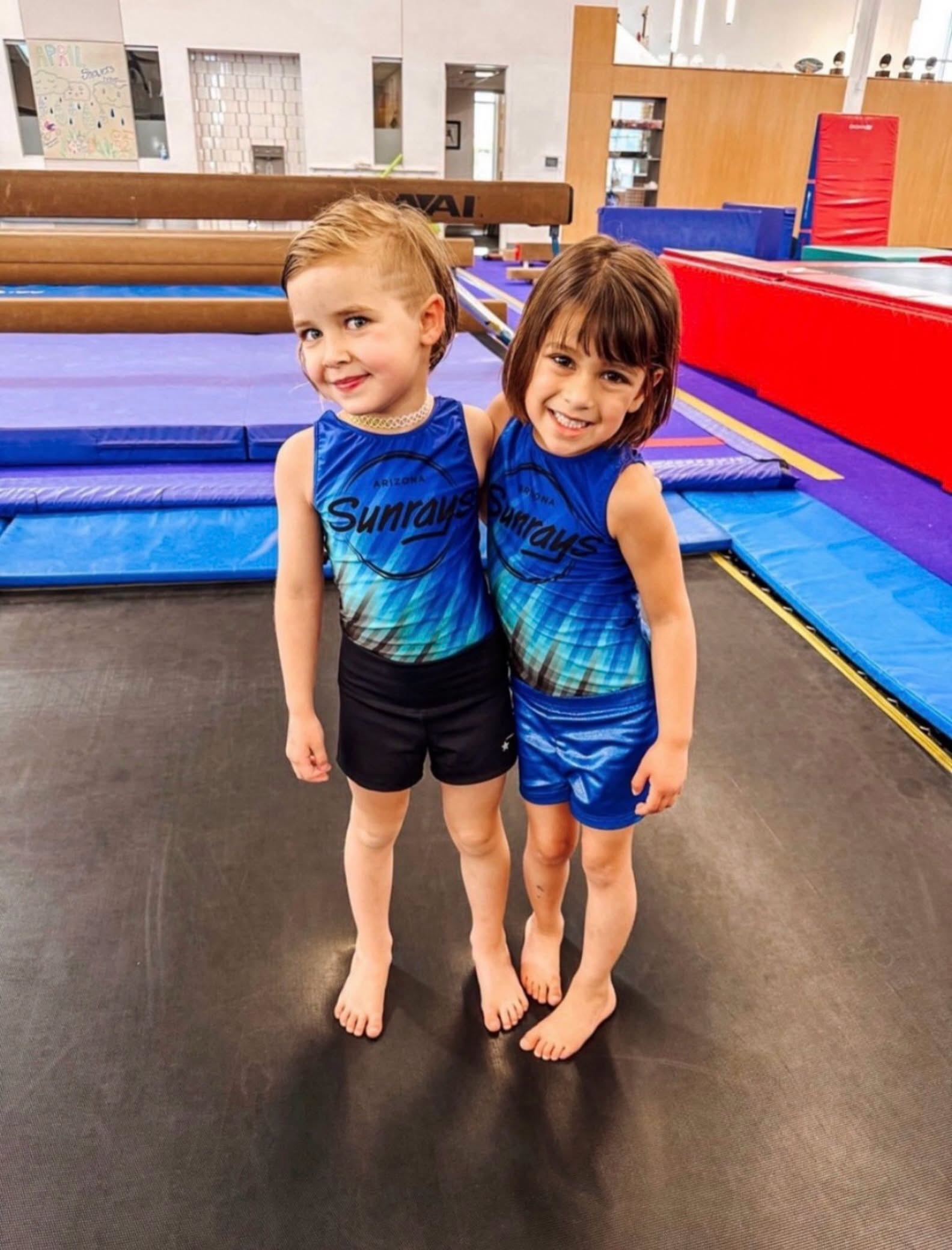
Taking the First Steps and Flips
Watching your baby transition into a toddler is a whirlwind experience. One day, they are just learning to crawl, and the next, they are climbing the bookshelves and treating your sofa like a trampoline. As parents in the West Valley watch their little ones discover mobility, a common question arises: "At what age should my toddler start gymnastics?"
The short answer might surprise you—it's likely sooner than you think! Gymnastics isn't just about training for the Olympics; in the early years, it’s about foundational development. Let’s explore the ideal timeline for introducing your child to the gym and the incredible developmental benefits they will reap along the way.
The Best Age to Start: Earlier is Better
Many parents assume they need to wait until their child is preschool-aged (3 or 4 years old) to start organized activities. However, baby and toddler gymnastics classes are designed for children as young as 3 months to 18 months old! These classes are typically "Parent and Tot" style, meaning you are right there on the mat with them.
Starting at the walking or crawling age can boost your child's confidence as they explore safely, knowing their environment supports their growth.
Developmental Benefits of Toddler Gymnastics
Enrolling your child in a toddler gymnastics class offers more than just fun; it keeps parents actively involved in their child's development and helps you stay informed about their milestones.
- Gross Motor Skills: Navigating soft inclines, crawling through tunnels, and practicing assisted rolls help develop the large muscles in the arms, legs, and core. This lays the groundwork for running, jumping, and climbing.
- Fine Motor Skills and Grip Strength: Hanging from a low bar (with mom or dad’s help) develops essential grip strength, which later translates to holding a pencil and writing.
- Spatial Awareness and Balance: Walking across a low, padded balance beam teaches toddlers where their bodies are in space, significantly improving balance and reducing the frequency of clumsy falls at home.
- Cognitive Development: Gymnastics classes involve following multi-step directions (e.g., "First we jump on the star, then we roll on the mat"). This enhances memory and cognitive sequencing.
- Socialization: For many toddlers, a gym class is their first structured social setting. They learn how to take turns, share equipment, observe other children, and interact with an instructor in addition to their parents.
The Parent-Tot Bond
Spending 45 minutes engaging in physical activity with your child fosters a special bond, making you their biggest supporter and cheerleader.
Toddler Gymnastics at Arizona Sunrays in Surprise
Arizona Sunrays in Surprise offers an exceptional baby and toddler gymnastics program. Our facility is designed with the safety and scale of little ones in mind. We use specialized, brightly colored preschool equipment that is soft, low to the ground, and designed to ensure safety and fun for little ones.
Our instructors are not just gymnastics coaches; they are trained in early childhood development. They know how to structure a class that keeps toddlers engaged—incorporating music, bubbles, and interactive games to mask the foundational gymnastics skills they are actually teaching.
So, at what age should your toddler start gymnastics in the West Valley? Whether they are 3 months old, walking confidently or around 3 years old and ready for a more independent class, it is never too early to begin building a foundation of physical literacy.
Frequently Asked Questions (FAQs)
Q: Does my toddler need to be potty-trained to join a gymnastics class?
A: Not for Parent-Tot classes! Since parents are on the floor participating, you are there to handle any diaper changes. However, independent preschool classes (typically for ages 3+) usually require children to be fully potty-trained.
Q: What if my toddler is shy or won't participate at first?
A: This is completely normal. The gym is a big, new environment. Our coaches may encourage parents to let their children observe at first. It often takes a few weeks for a toddler to feel comfortable enough to join in the activities fully.
Q: What should my toddler wear?
A: Soft, comfortable play clothes without zippers or snaps are best. Leotards are great, but certainly not required for this age group. Bare feet are best for traction on the mats!

